Start with a purpose
Connect line bias, pressure, fleet behavior, and the first shift to choose a start that supports your race plan.

Study real racecourse situations, learn the cues that trigger each move, and give your team a shared tactical language. Start with the free examples, explore Race Course Decision Making in the interactive reader, or take the complete books with you.
Explore free tactical playsFree examples · Interactive RCDM reader · Books available through Amazon
Connect line bias, pressure, fleet behavior, and the first shift to choose a start that supports your race plan.
Use leverage, lanes, and fleet geometry to stay in control instead of relying on low-percentage escapes.
Separate the quality of a decision from the outcome, then identify the cue that should guide the next race.
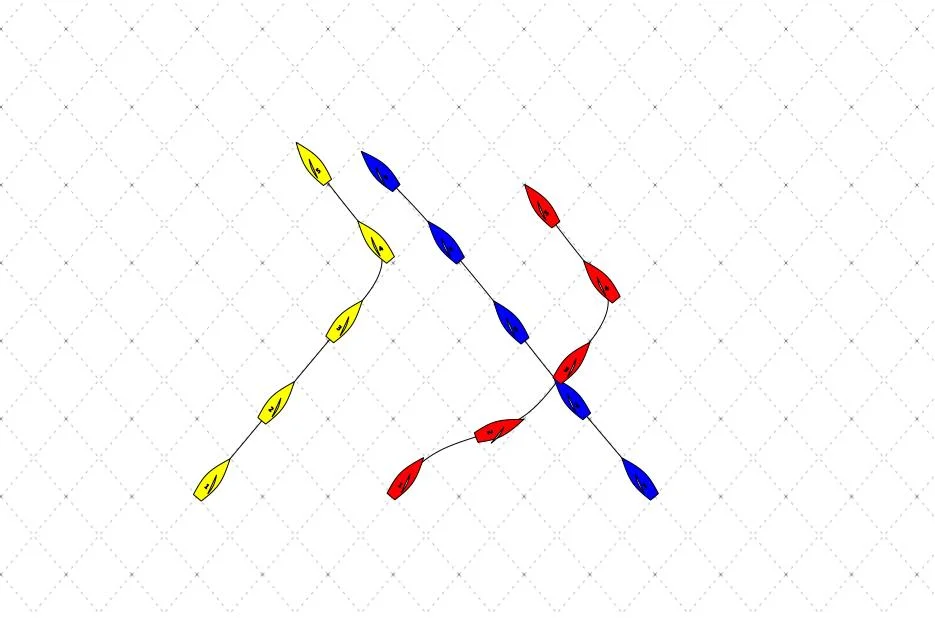
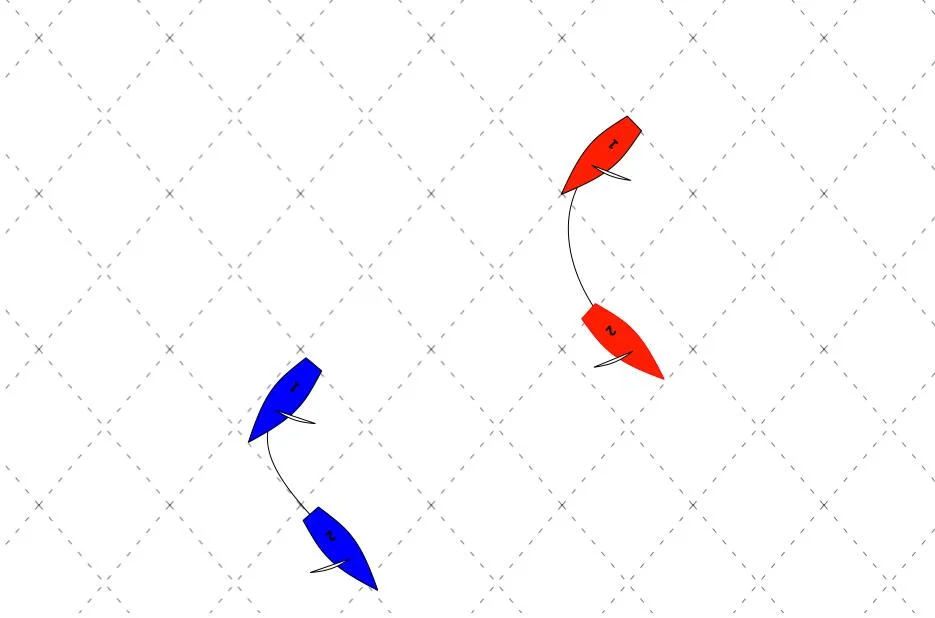
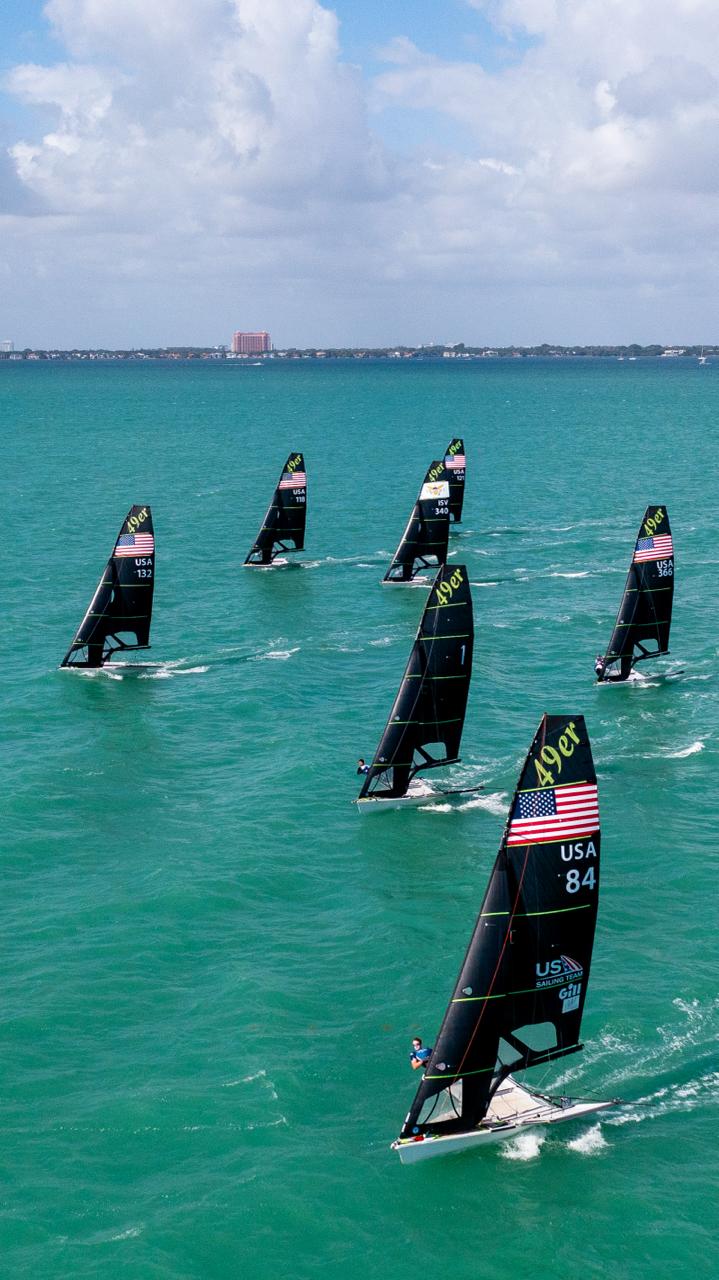
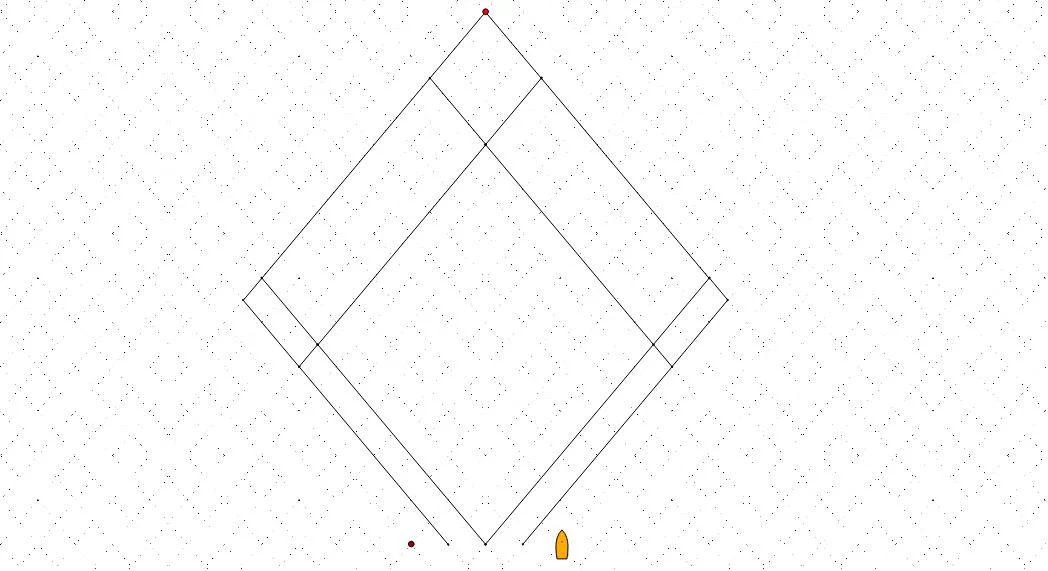
A scenario-based guide to the recurring situations that shape sailboat races. Each play connects the setup, move, common mistake, pro tip, and best team communication.
A deeper framework for race-course philosophy, wind strategy, tactical choices, and the decision process that ties them together. Read it online with text, diagrams, and audio.
Each example turns a racecourse situation into a move your team can recognize, discuss, and practice.
Create and protect a starting lane with a repeatable positioning play.
Read the free play →02Connect the start, first shift, fleet position, and long-term race plan.
Read the free play →03Use speed, gauge, and predicted competitor responses at the leeward gate.
Read the free play →04Work through a downwind passing and mark-approach situation.
Read the free play →Tactics become easier when sailors can name the situation in front of them. The goal is not to memorize isolated rules. It is to understand the changing relationship between wind, course, fleet, and opponent—and select a move that keeps the highest-value options open.
The McBride Racing Playbook gives sailors a shared tactical language. Coaching, video, and GPS review can then connect each concept to real moments on the racecourse. That combination makes tactical learning more concrete and easier for teams to communicate.
The site already contains years of tactical plays, race debriefs, and decision-making examples. Start with a Playbook situation, connect it to the deeper RCDM framework, then use an existing debrief or video to see how the same cues appear in real racing.